
The Living Room
National Gallery Singapore sought to introduce a new kind of public engagement space within the SG Courtyard for Light to Night Festival 2025, one that would encourage visitors to dwell, interact, and participate in programmes, while drawing more footfall into the gallery’s interior spaces.
Constraints
The installation needed to function as a flexible, multi-use environment capable of hosting varied programming, from workshops to performances, across day and night conditions. It also had to align with the festival theme Do You See Me, remain non-invasive to the heritage site, and be delivered with sustainability in mind. Practical considerations included durability, safety, ease of assembly, and working with recyclable materials in collaboration with external partners.
Decision & Rationale
I designed a fully immersive “living room” environment constructed entirely from recyclable cardboard in collaboration with Trio Packaging, transforming the courtyard into a welcoming, informal social space. The modular design allowed the space to adapt to different uses, from seated talks to interactive workshops. Working with UmamiFX, I introduced dynamic lighting to shift the atmosphere from day to night, extending the usability and appeal of the space.
To deepen audience participation and respond to the festival theme, I created an interactive wall installation using colourful eye-shaped cardboard modules that visitors could slot into a pre-designed structure without damaging the gallery walls. This created a collective, evolving artwork driven by public contribution. Beyond the physical design, I contributed to programming, curating and facilitating activities such as artist talks, drop-in craft sessions, DJ sets, and karaoke nights, to activate the space and encourage repeat engagement.
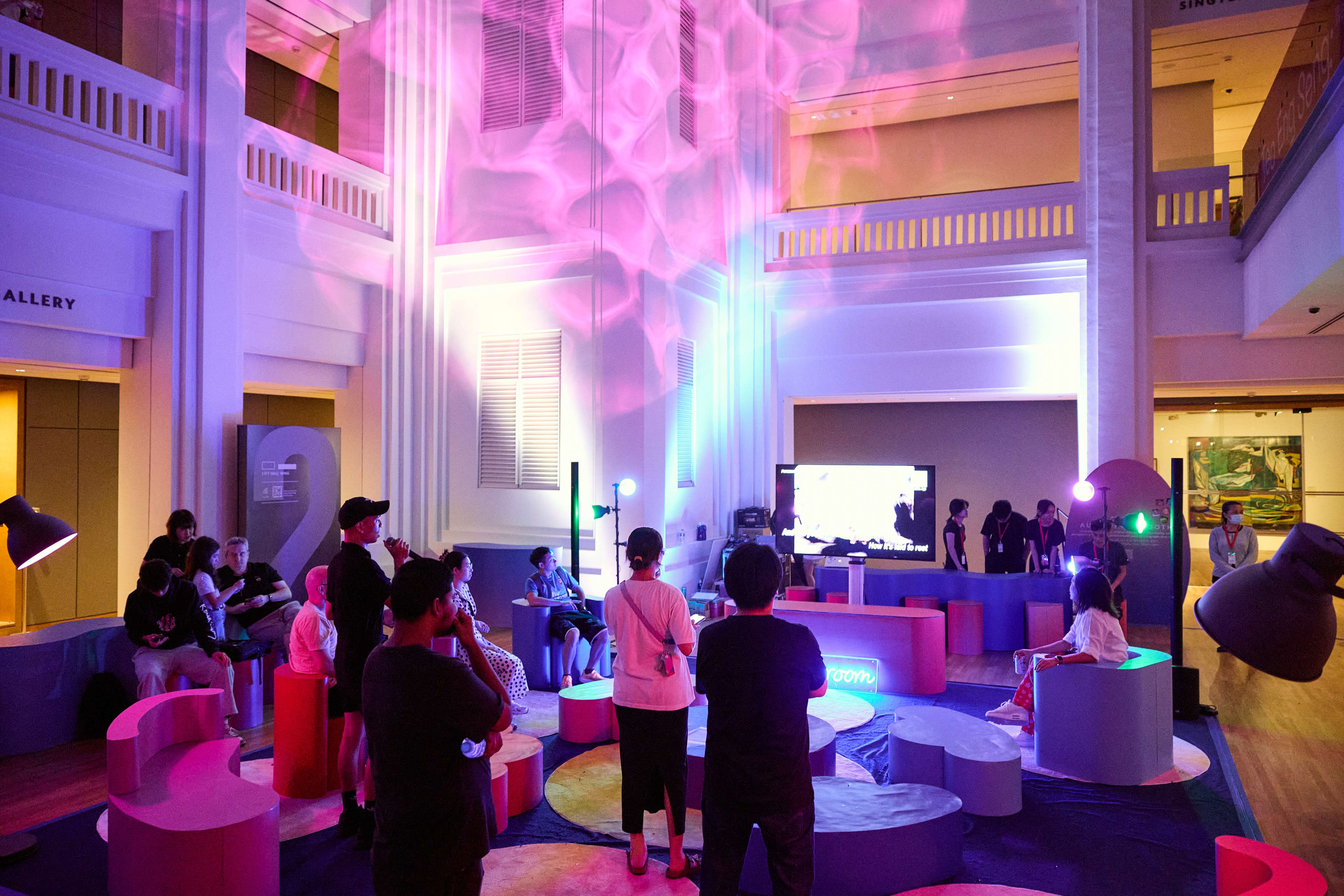


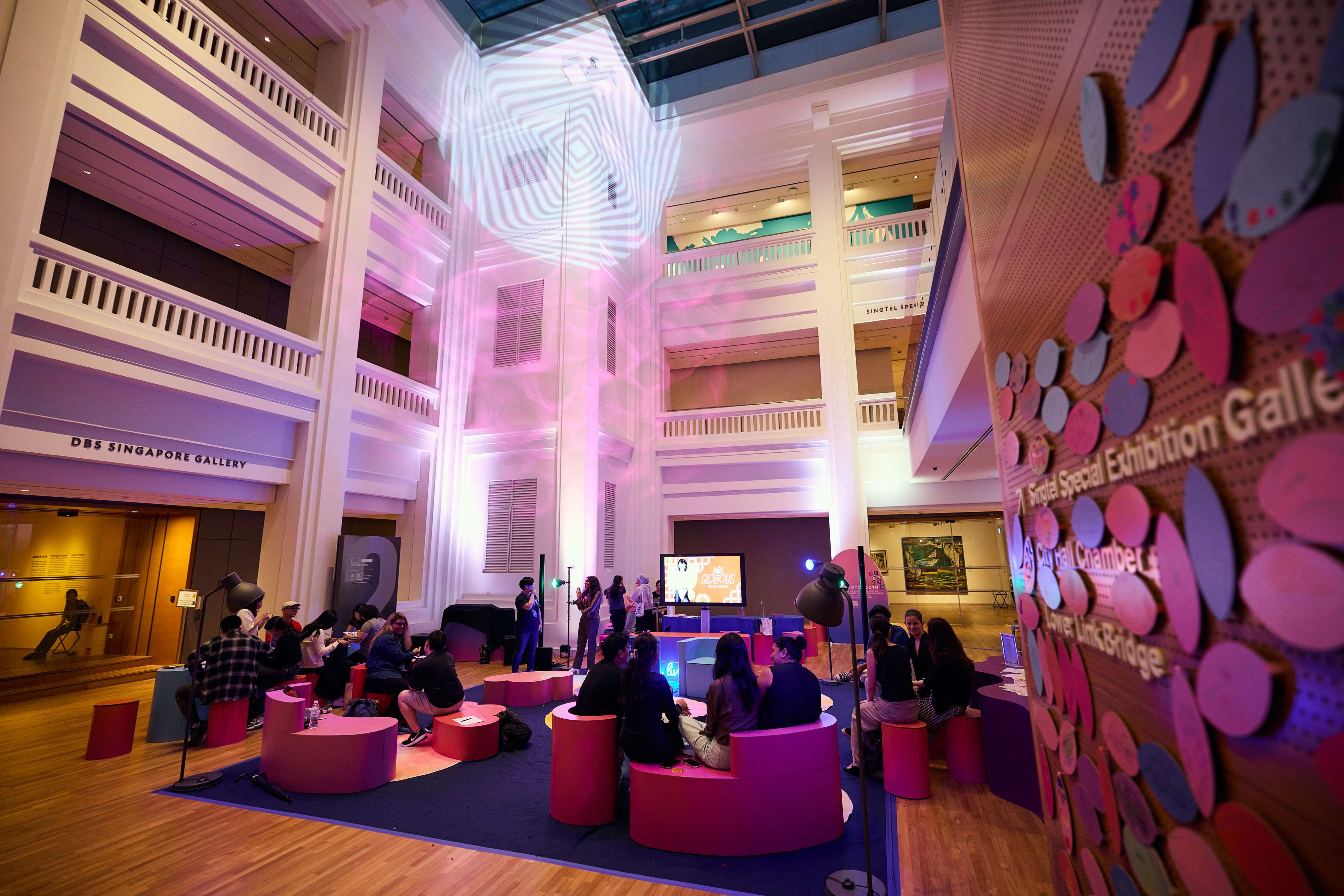
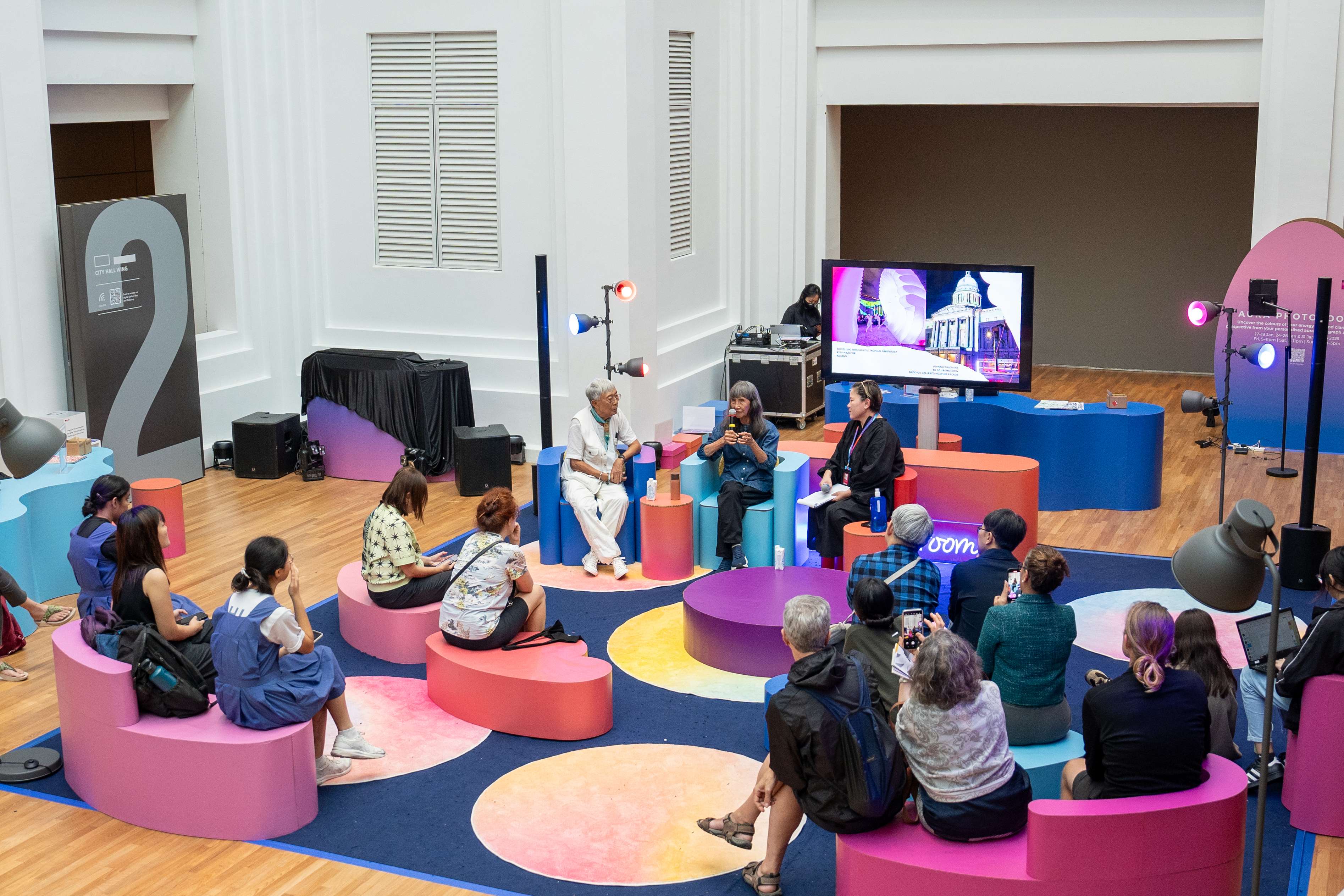

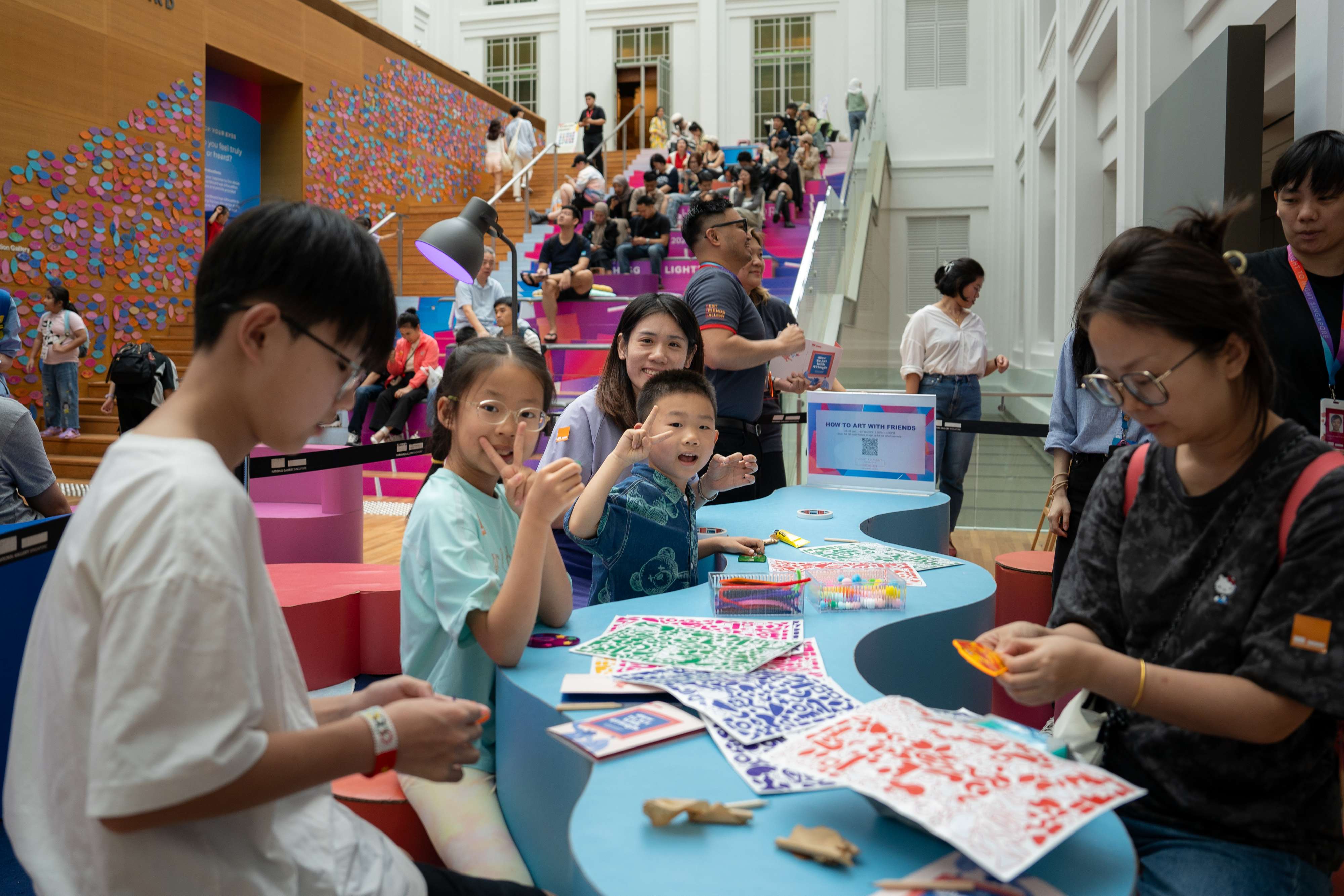

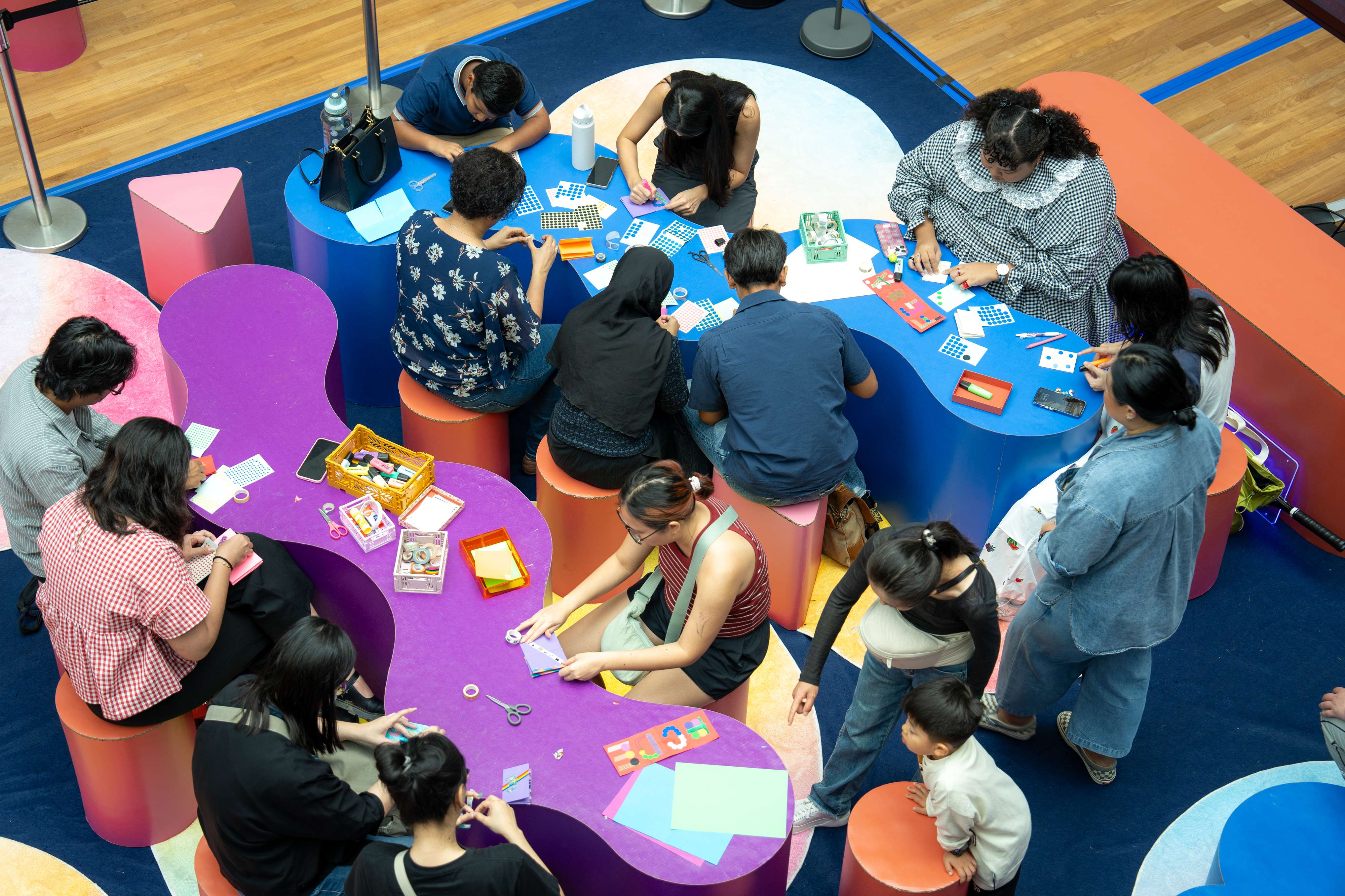

The Living Room became a key social and programme hub within the festival, successfully increasing visitor dwell time and drawing audiences into the gallery’s interior. The installation received media coverage and generated strong public engagement, particularly through the participatory wall element. Post-event, the project sparked further interest in sustainable, cardboard-based installations, demonstrating both its creative and environmental impact.